

Nutrition and Herbal Remedies for Hair Wellness
- Patrice

- Dec 22, 2025
- 5 min read
When it comes to hair wellness, I’ve learned that what we put inside our bodies matters just as much as the products we apply on the outside. Hair isn’t just about looking good; it’s a reflection of our overall health. Over the years, I’ve explored how nutrition and herbal remedies can naturally boost hair growth and vitality. If you’re on a journey to healthier, more vibrant hair, let’s dive into some practical tips and insights that have worked wonders for me.
Why Nutrition for Hair Wellness Matters
You might wonder, why does nutrition play such a big role in hair health? Well, hair follicles are living tissues that need a steady supply of nutrients to grow strong and shiny. Without the right vitamins, minerals, and proteins, hair can become brittle, thin, or even fall out.
For example, protein is the building block of hair. Since hair is mostly made of keratin, a type of protein, eating enough protein-rich foods like eggs, fish, and legumes can support hair growth. Similarly, iron helps red blood cells carry oxygen to hair follicles, which is essential for growth. Low iron levels often lead to hair thinning.
I also found that vitamins A, C, D, and E, along with zinc and biotin, play crucial roles in maintaining scalp health and stimulating hair growth. These nutrients help with cell regeneration, collagen production, and protecting hair from damage.
If you’re curious about how to get these nutrients naturally, here are some of my favorite foods to include in your diet:
Spinach and kale (rich in iron and vitamins)
Nuts and seeds (packed with vitamin E and zinc)
Sweet potatoes and carrots (loaded with vitamin A)
Citrus fruits and berries (great sources of vitamin C)
Salmon and other fatty fish (high in omega-3 fatty acids)
Eating a balanced diet with these foods can make a noticeable difference in your hair’s texture and strength over time.

Herbal Remedies That Support Hair Growth
Alongside nutrition, I’ve found herbal remedies to be a gentle yet powerful way to enhance hair wellness. Herbs have been used for centuries to promote hair growth, reduce scalp inflammation, and improve circulation.
One of my go-to herbs is rosemary. Rosemary oil or tea can stimulate blood flow to the scalp, encouraging hair follicles to grow. Plus, it has antioxidant properties that protect hair from damage. I like to brew a rosemary tea and use it as a rinse after washing my hair.
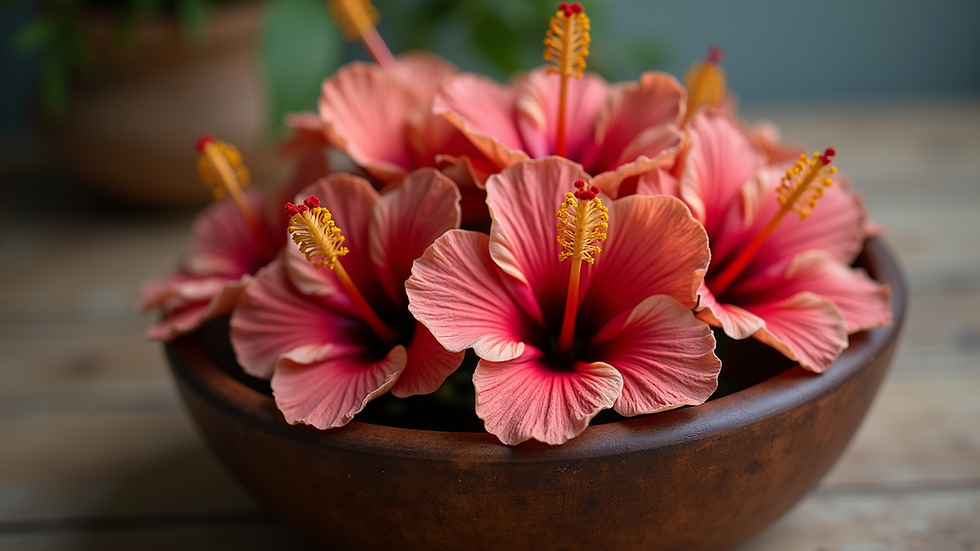
Another favorite is hibiscus. This vibrant flower is rich in vitamin C and amino acids, which help strengthen hair roots and prevent premature graying. Hibiscus tea or oil can be applied directly to the scalp or consumed as a drink.
Amla (Indian gooseberry) is also a superstar in the herbal world. It’s loaded with vitamin C and antioxidants, which nourish the scalp and promote hair growth. Drinking amla juice or using amla powder in hair masks has been a game-changer for me.
If you’re interested in herbal teas that combine these benefits, I highly recommend checking out unique blends like those from Tee's Tea Leaves, LLC. Their herbal tea blends are designed to naturally boost hair growth and overall hair wellness from the inside out.
How to Incorporate Nutrition and Herbs Into Your Routine
Now that you know the key players, how do you bring them into your daily life without feeling overwhelmed? Here’s a simple plan that worked for me:
Start with your meals: Aim to include at least one hair-friendly food in every meal. For breakfast, try oatmeal topped with nuts and berries. For lunch and dinner, add leafy greens and a portion of fish or legumes.
Hydrate with herbal teas: Replace one cup of your usual beverage with an herbal tea blend focused on hair health. Drinking these teas regularly helps deliver nutrients directly to your scalp and hair follicles.
Use herbal oils and rinses: Incorporate rosemary or hibiscus oil into your scalp massage routine a few times a week. This not only feels relaxing but also boosts circulation and nourishes your hair.
Consider supplements wisely: If you struggle to get enough nutrients from food alone, talk to a healthcare provider about supplements like biotin or iron. But remember, natural food sources are always the best first step.
Be consistent and patient: Hair growth takes time. It’s like planting a garden - you need to water it regularly and give it sunlight before you see the blooms. Stick with your nutrition and herbal routine for at least a few months to notice real changes.
Common Myths About Hair Nutrition and Herbal Remedies
I’ve come across plenty of myths that can confuse anyone trying to improve their hair health. Let’s clear up a few:
Myth: You need expensive products for hair growth.
Truth: Often, the best results come from simple, natural ingredients and a healthy diet.
Myth: Herbal remedies work instantly.
Truth: Herbs support gradual improvement. Instant results are rare, so patience is key.
Myth: More protein means faster hair growth.
Truth: While protein is important, balance is crucial. Too much protein without other nutrients can cause imbalances.
Myth: Drinking water alone will fix hair problems.
Truth: Hydration helps, but it’s not a magic bullet. Nutrients and scalp care are equally important.
Understanding these facts helps set realistic expectations and keeps you motivated on your hair wellness journey.
Embracing a Holistic Approach to Hair Wellness
Taking care of your hair is more than just what you eat or apply. It’s about embracing a lifestyle that supports your overall well-being. Stress, sleep, and exercise all influence hair health.
I’ve found that combining good nutrition and herbal remedies with mindful habits creates the best environment for hair to thrive. For example, managing stress through meditation or yoga can reduce hair loss caused by tension. Getting enough sleep allows your body to repair and regenerate hair cells.
Also, regular scalp massages with herbal oils not only stimulate growth but feel like a mini self-care ritual. It’s a moment to connect with yourself and nurture your hair from root to tip.
If you’re looking for a natural boost, remember that Tee's Tea Leaves, LLC offers herbal tea blends crafted to support hair wellness from the inside out. Their unique blends make it easy and enjoyable to nourish your hair naturally every day.
I hope these insights inspire you to nourish your hair with kindness and care. Remember, healthy hair is a journey, not a race. With the right nutrition, herbal remedies, and a little patience, you’ll be well on your way to the vibrant, strong hair you deserve. Why not start today? Your hair will thank you!


Comments